Master Your Curls: Essential Curly Hair Styling Techniques and Methods
Learn the most effective curly hair techniques like Squish to Condish, plopping, and the LOC method to transform frizz into defined, healthy curls.
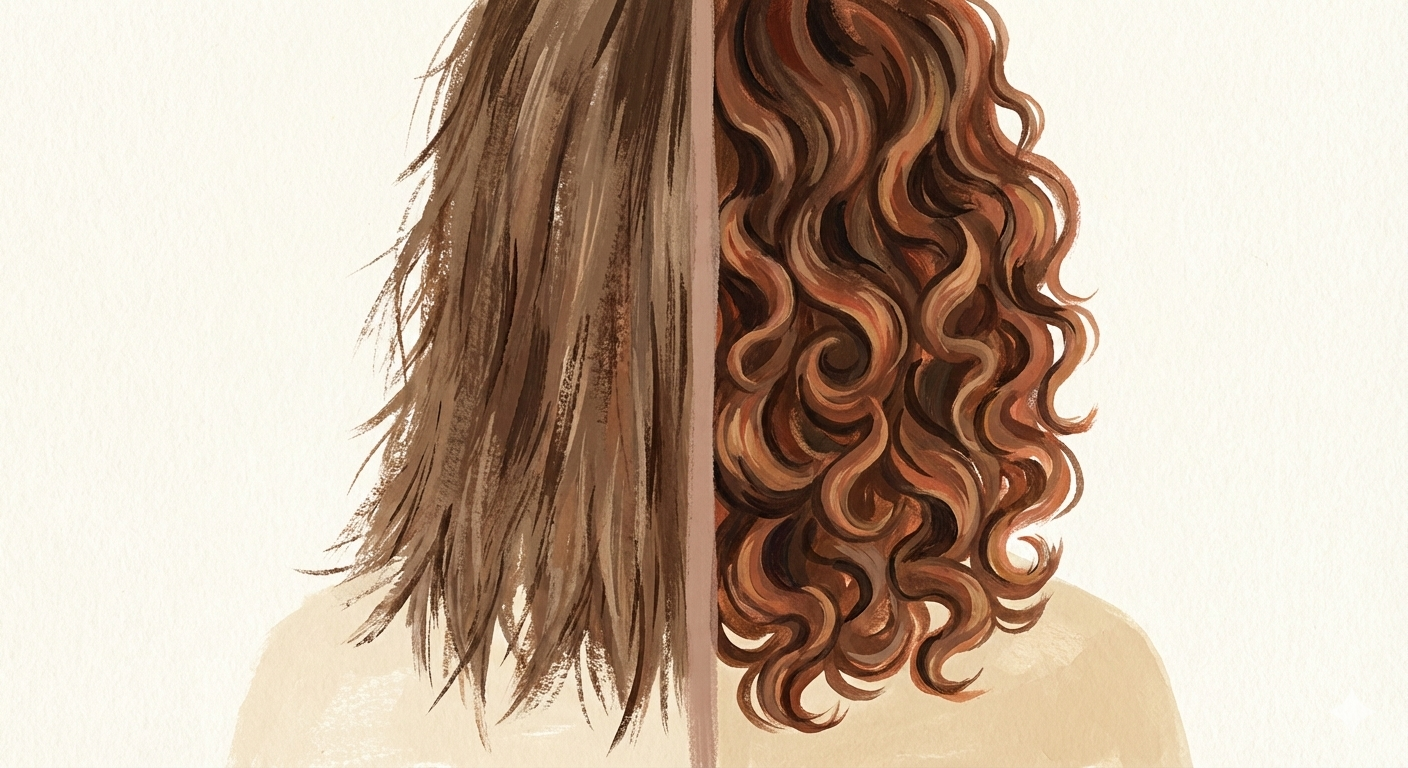
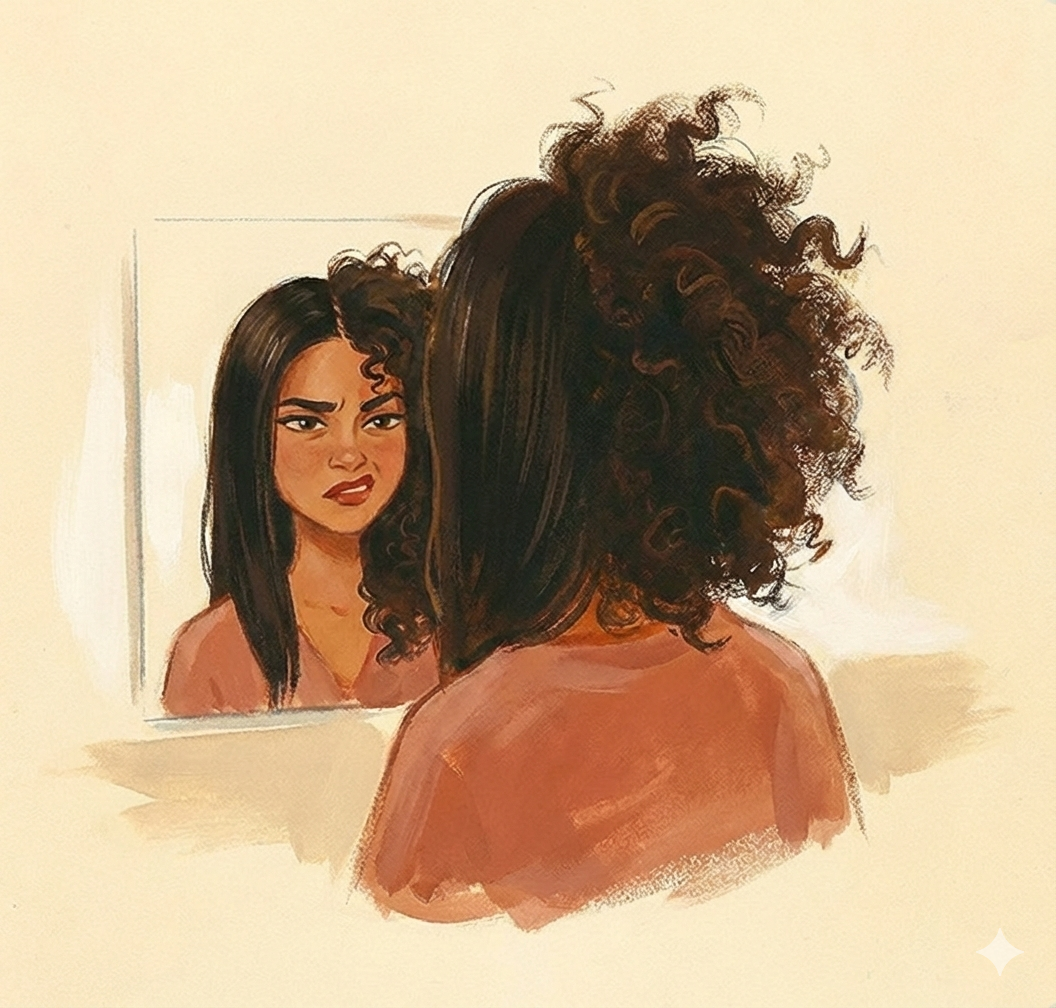
Many people treat their hair as if it were straight, only to end up with constant frizz or a “giant poof ball” that reacts to the slightest bit of humidity. You may have been told that you just need the right product to fix it, but curly hair works a little differently.
In reality, how you handle your curls — the techniques and methods you use — often matters more than the products themselves.
This guide breaks down the core Curly Girl Method (CG) techniques so you can move past confusion and start seeing consistent, real results with your natural texture.
Already have products but unsure how to use them correctly? This guide focuses on how, not what — and you can always verify curl-friendly options using the KUURL Product Finder.
The foundation: Squish to Condish (S2C)
Hydration is the backbone of curly hair care. Because of the spiral shape of curls, natural oils struggle to travel from the scalp to the ends, which is why curls dry out so easily.
Why it works
Squish to Condish (S2C) forces water and conditioner into the hair shaft while encouraging curls to clump together naturally. This improves definition, elasticity, and moisture retention.
How to do it
- After cleansing, apply a generous amount of conditioner until your hair feels like “slimy seaweed.”
- Bend forward and scoop water into your hair.
- Squish the hair upward toward your scalp.
- Listen for a distinct squelching sound — if you don’t hear it, add more water or conditioner.
This technique alone can dramatically reduce frizz.
Applying your styling products
Once your hair is hydrated and clumped, application technique determines whether curls stay defined or fall apart.
Glazing and praying hands
Concept
These methods distribute product without breaking up curl clumps.
How
- Rub product between your palms.
- For glazing, lightly smooth hands over the surface of your hair.
- For praying hands, sandwich sections of hair between flat palms and slide downward.
Both techniques smooth the cuticle and reduce surface frizz.
Scrunching
Concept
Scrunching reinforces curl shape and encourages definition.
How
- Cup sections of hair in your hands.
- Squeeze upward toward the scalp.
- Always scrunch while hair is soaking wet.
Moisture-sealing methods: LOC and LCO
If your curls feel dry again shortly after wash day, the order of product application may be the issue.
The LOC method
Liquid → Oil → Cream
- Liquid: Water or a water-based leave-in
- Oil: Adds lubrication and shine
- Cream: Seals moisture in
This method works well for high-porosity or coarse hair.
The LCO method
Liquid → Cream → Oil
If your hair is fine or easily weighed down, this variation often feels lighter while still providing moisture.
Choosing between LOC and LCO depends heavily on your porosity and texture.
If you haven’t already, read:
Understanding Your Curly Hair: Porosity, Density, and Texture.
Drying techniques for volume and definition
How you dry your hair can either preserve or destroy the curl pattern you just created. Traditional terry cloth towels cause friction and frizz, so switch to microfiber towels or cotton t-shirts.
Plopping
Why it works
Plopping removes excess water without disrupting curl clumps, helping with root volume and faster drying.
How
- Lay a cotton t-shirt or microfiber towel flat.
- Flip wet hair onto the center so curls accordion naturally.
- Tie and leave for 15–20 minutes.
Diffusing
Why it works
Diffusing speeds up drying and adds volume, especially at the roots.
How
- Use a diffuser attachment on low or medium heat.
- Start by hovering to set the gel cast.
- Gently cup curls into the diffuser bowl to dry the lengths.
Actionable takeaways
- Never dry brush — detangle only on wet, conditioned hair
- Aim for “slimy seaweed” before styling
- Apply stylers soaking wet for better clumps
- Hands off while drying to protect the gel cast
- Use techniques first, products second
If you’re unsure whether your current stylers are curl-friendly, you can verify them using the KUURL Product Finder.
Frequently asked questions
What is SOTC?
SOTC stands for Scrunch Out The Crunch. Once your hair is 100% dry, gently scrunch to break the gel cast and reveal soft, defined curls.
Should I style upside down?
Upside-down styling is great for volume, especially for fine or loose curls. If you have a sensitive scalp, limit how long your hair stays bunched while wet.
What if a technique doesn’t work for me?
That’s normal. Curly hair follows the rule of YMMV (Your Mileage May Vary). These techniques are guidelines — experimentation is key.
A note on your journey
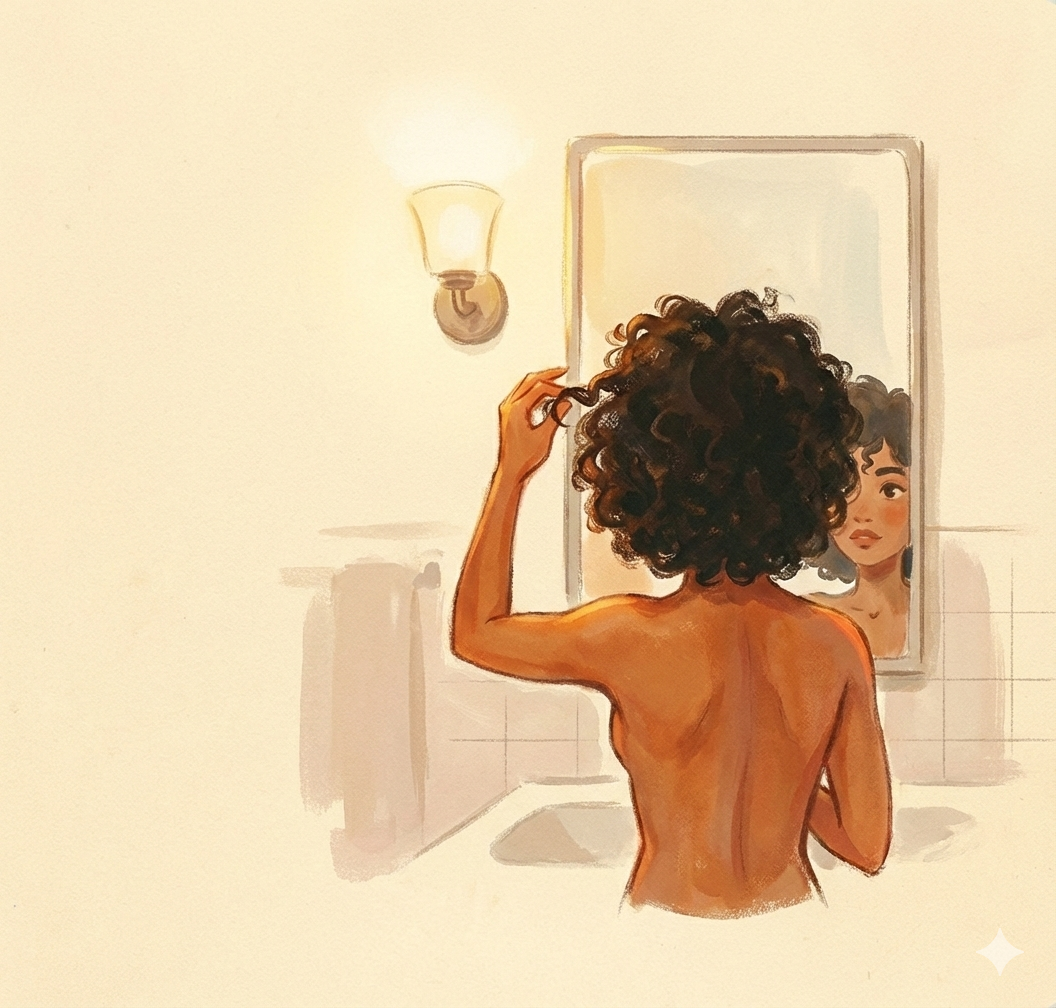
These techniques take time to master. Your curls may look different from day to day as they adjust to new habits, climate, and moisture levels.
Be patient with yourself and your hair. With practice and consistency, these methods will help you unlock healthier, more predictable curls — without fighting your natural texture.
If you want to apply these techniques to a full routine, read next:
Wash Day for Curly Hair: A Step-by-Step Routine for Defined Curls.