Understanding Your Curly Hair: Porosity, Density, and Texture Guide
Stop the guesswork in your curly hair routine. Learn how porosity, density, and texture determine which products and techniques will actually work for you.
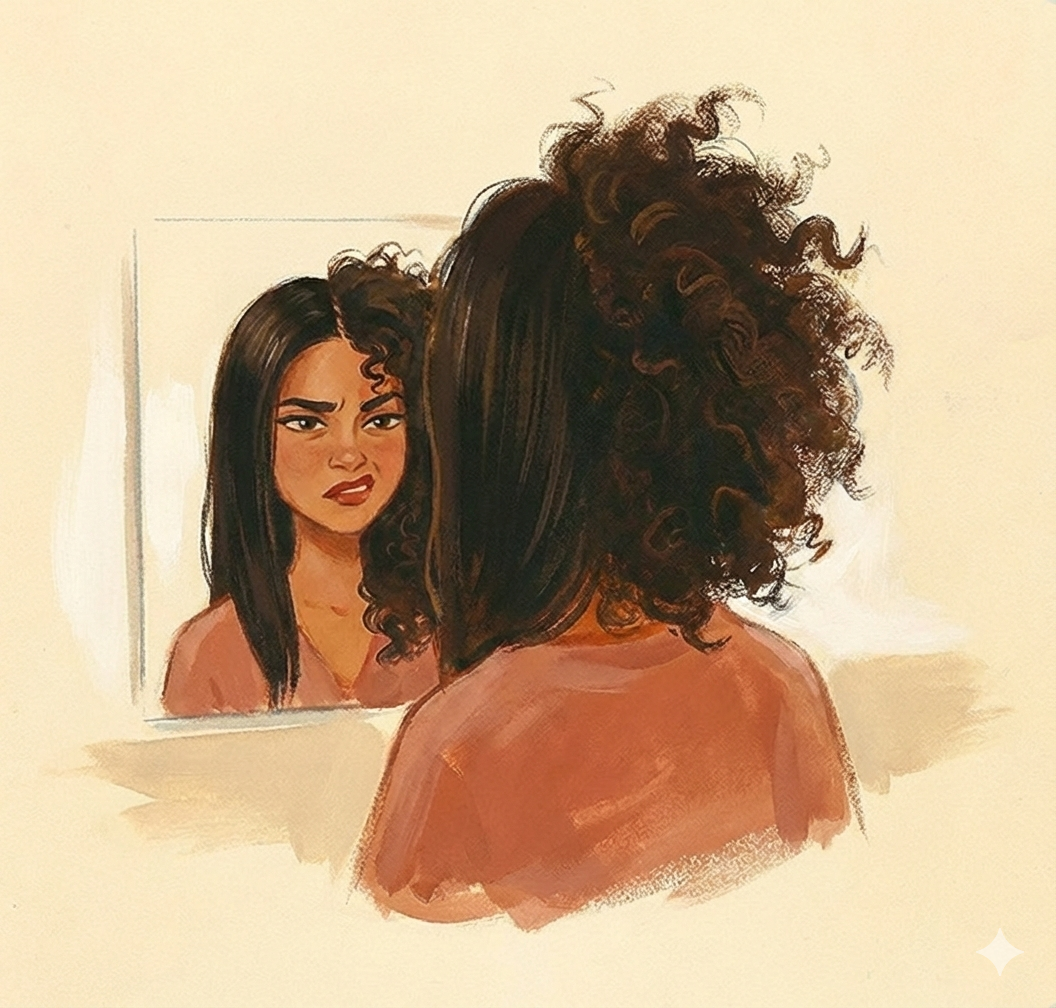
Have you ever bought a hair product that everyone raved about, only for it to leave your hair feeling greasy, stiff, or like straw? This is a common and frustrating experience for people with curly hair.
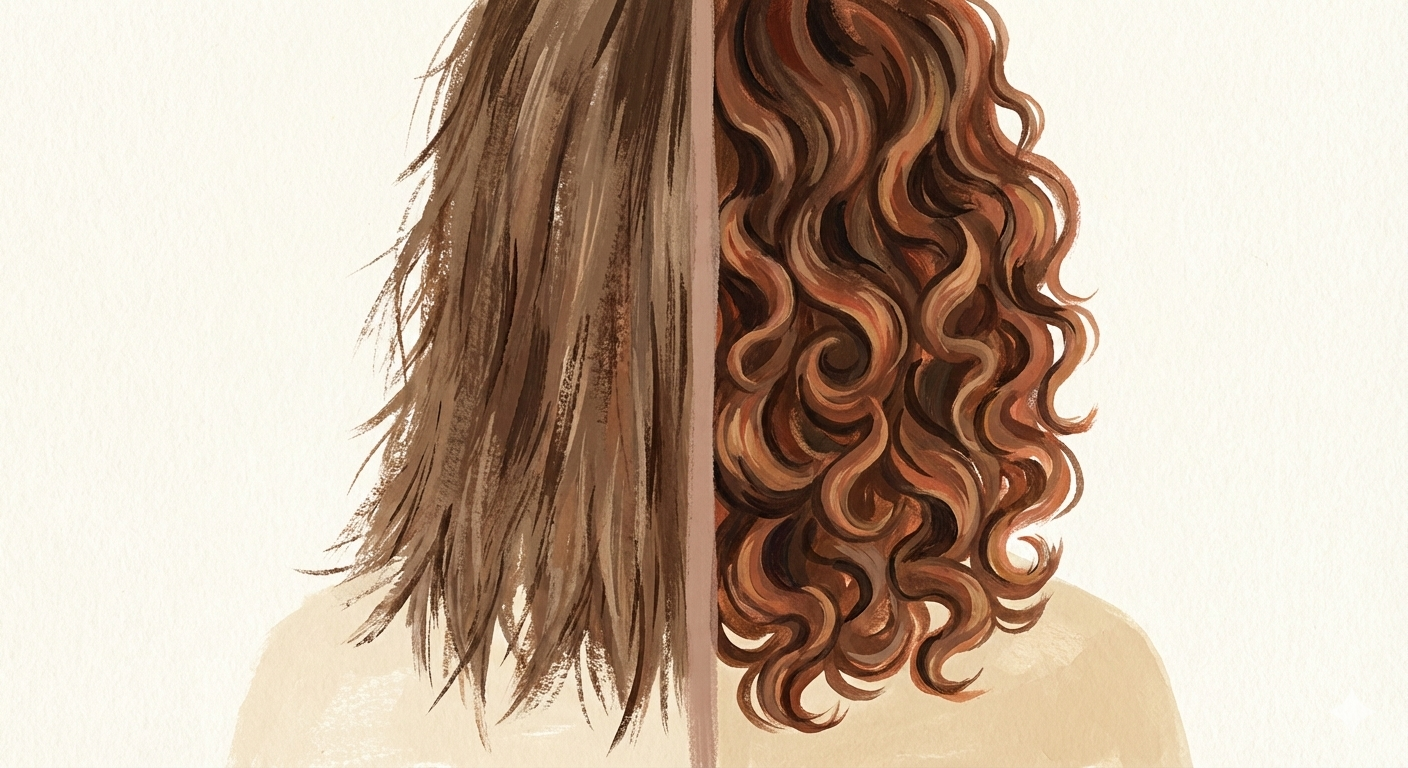
Many routines focus heavily on curl type (like 2A or 3B), but curl pattern alone is one of the least useful factors when choosing products. What actually determines how your hair behaves comes down to three core characteristics:
porosity, density, and texture.
Understanding these three pillars helps you stop guessing and start making choices that actually work for your hair.
Want help checking which products match your hair characteristics and are available where you live? Try the KUURL Product Finder.
Porosity: How your hair handles moisture
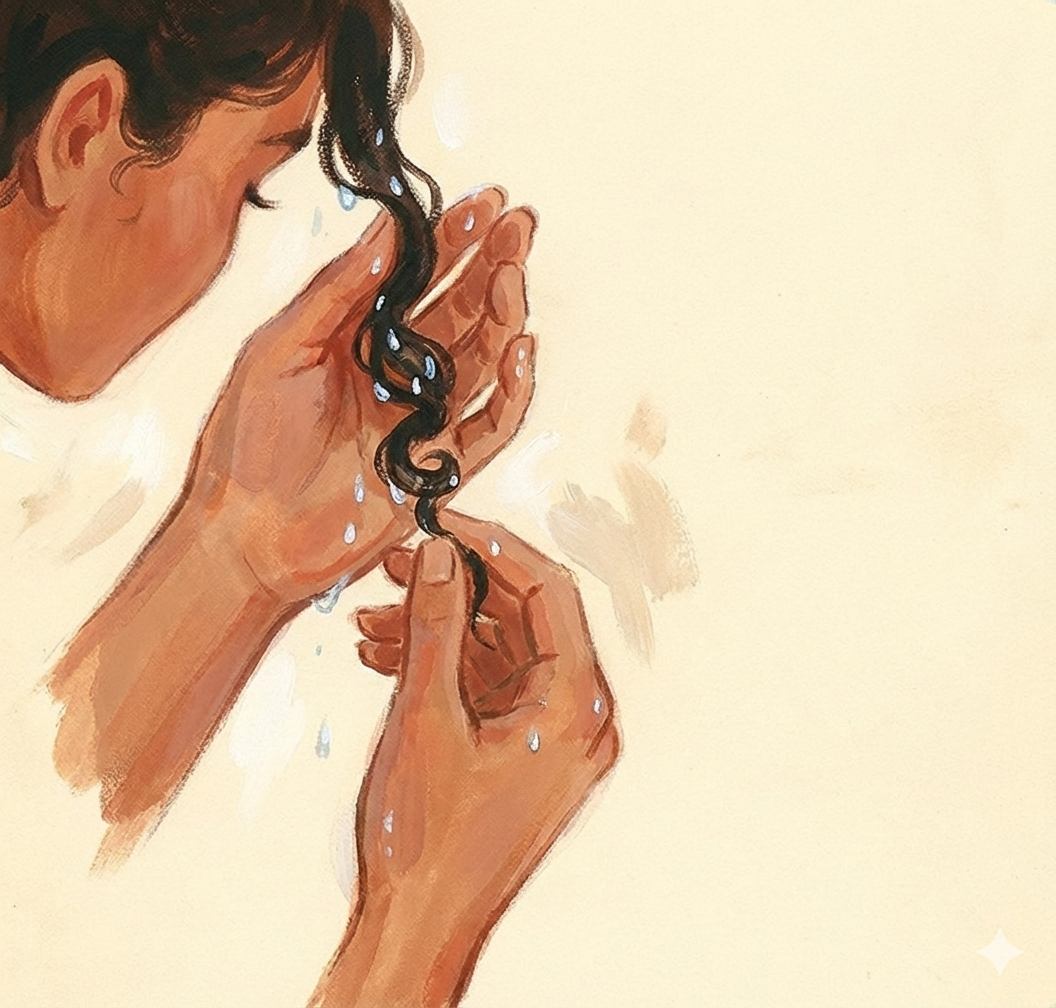
Porosity is the most important hair characteristic to understand. It describes how easily your hair absorbs and retains moisture, which depends on the condition of the cuticle (the outer layer of the hair shaft).
The “roof shingle” analogy
Think of your hair cuticle like shingles on a roof:
- Low porosity: The shingles lie flat and tight. Water struggles to get in, but once it does, it stays.
- Medium porosity: The shingles are mostly smooth, with minor wear from normal life.
- High porosity: The shingles are lifted, cracked, or missing. Water enters easily but escapes just as fast.
How to identify your porosity
Skip the “float test” in a glass of water — it’s unreliable due to surface tension and product residue. Instead, pay attention to how your hair behaves in real life.
Low porosity signs
- Water beads up on your hair before soaking in
- Hair takes a long time to get fully wet
- Hair takes many hours (or even days) to dry
High porosity signs
- Hair gets wet instantly
- Hair dries very quickly
- Hair tangles easily and may feel rough or look dull
Practical porosity tips
-
Low porosity
- Use lightweight products
- Apply products to soaking wet hair
- Gentle heat (like a warm towel or cap) during deep conditioning can help open the cuticle
-
High porosity
- Heavier creams, butters, and oils are often helpful
- Focus on sealing moisture in after conditioning
If you want to quickly check which products are curly-hair friendly and available in your country, you can browse them using the KUURL Product Finder.
Density: How much hair you actually have
Density refers to how many hairs grow per square inch of your scalp. It is often confused with texture, but they are very different.
Why density matters
Density affects:
- How much product you need
- How your hair holds volume
- Which haircuts and styling techniques work best
How to identify your density
Look at your dry hair while it hangs naturally:
- Low density: You can easily see your scalp without parting your hair
- Medium density: You can see your scalp when you part your hair
- High density: It’s difficult to see your scalp, even when parted
Practical density tips
-
Low density
- Use lighter products
- Focus on foams, mousses, and volumizing techniques
- Avoid heavy oils and butters
-
High density
- Heavier stylers can help control bulk
- Layered haircuts often work well
- You may simply need more product than expected
Texture: The thickness of your strands
In curly hair care, texture refers to strand thickness, not curl pattern.
Why texture matters
Texture determines how easily your hair is weighed down or dried out. Fine hair is delicate and easily overloaded, while coarse hair is strong but needs more lubrication.
How to identify your texture
Take one strand of hair and compare it to a piece of sewing thread:
- Fine: Thinner than the thread; barely noticeable between your fingers
- Medium: About the same thickness as the thread
- Coarse: Thicker than the thread; feels strong and noticeable
Practical texture tips
-
Fine texture
- Stick to lightweight products
- Hydrolyzed proteins can help support structure
-
Coarse texture
- Prioritize regular deep conditioning
- Curl creams often work better than lightweight leave-ins alone
How these characteristics work together
Most people don’t fit into just one category. You might have:
- Low porosity roots and high porosity ends
- Fine strands but high density
- Coarse hair that is low porosity
This is normal. Use these traits as guidelines, not rigid labels.
To reduce trial and error, you can browse curly-hair friendly products by category and country using the KUURL Product Finder.
Actionable takeaways
- Start with porosity — it has the biggest impact on product choice
- Test strand thickness using the sewing thread method
- Check scalp visibility to understand your density
- Adjust expectations — mixed traits are common
- Verify products before buying with the KUURL Product Finder
Frequently asked questions
What is my curl type?
Curl type (2A, 3B, etc.) is not very helpful for choosing products. It can change over time, and most people have multiple curl patterns on one head.
Can I be both low and high porosity?
Yes. Roots are often lower porosity, while older, more damaged ends are higher porosity.
Why shouldn’t I use the float test?
Surface tension, oils, and product residue can all affect whether hair floats. Observing how your hair reacts to water is far more reliable.
Growing with your curls
Learning your hair’s characteristics is the foundation of a routine that actually works. Your hair may change with time, climate, or health, so expect to reassess occasionally.
With the right understanding, you can stop fighting your curls and start working with them.
If you want to go deeper next, read:
Wash Day for Curly Hair: A Step-by-Step Routine for Defined Curls.