Wash Day for Curly Hair: A Step-by-Step Routine for Defined Curls
Master your curly hair wash day with this beginner-friendly guide. Learn how to cleanse, condition, style, and dry your curls for definition and moisture.
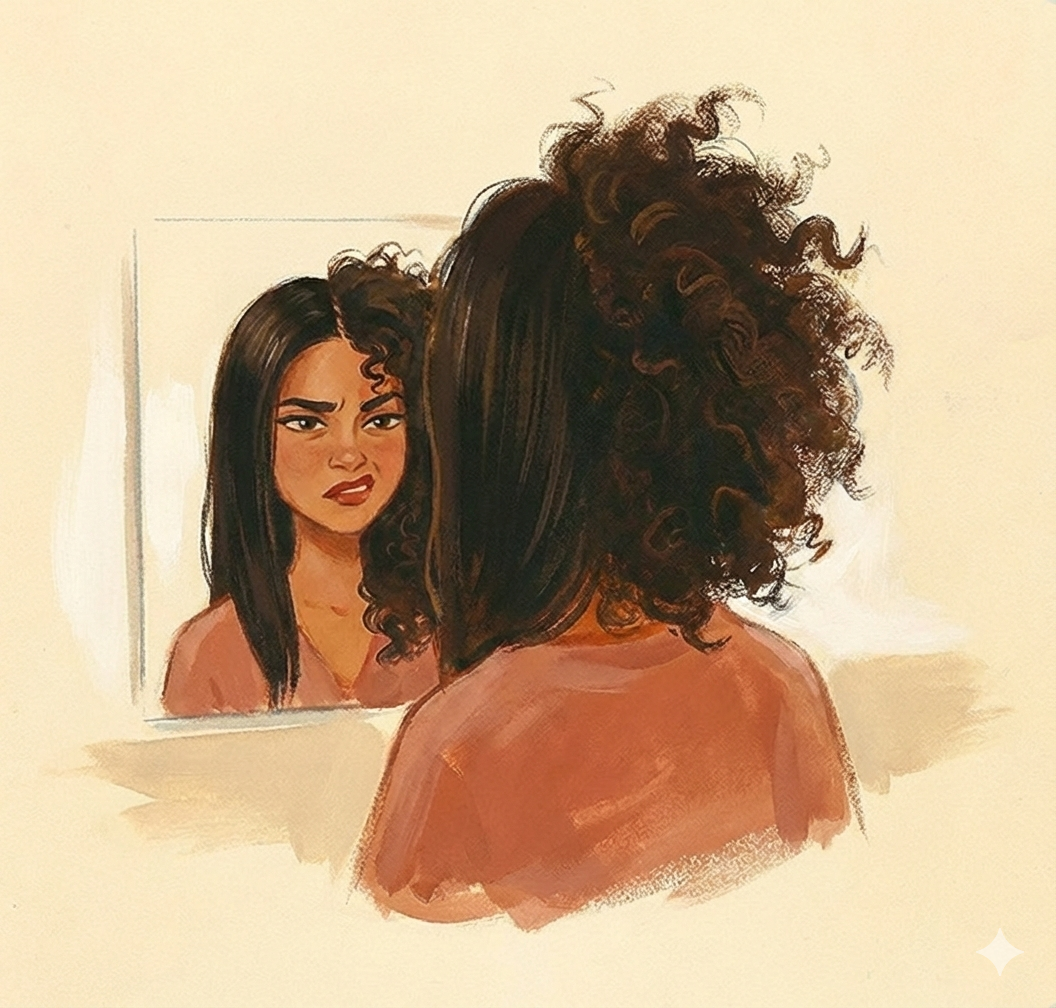
If you have ever felt like your hair is one giant, frizzy poof ball that refuses to cooperate, you are not alone. Many people spend years brushing out their curls or using harsh shampoos, only to end up with dry, unmanageable hair.
The problem usually isn’t your hair — it’s the way you’re washing it.
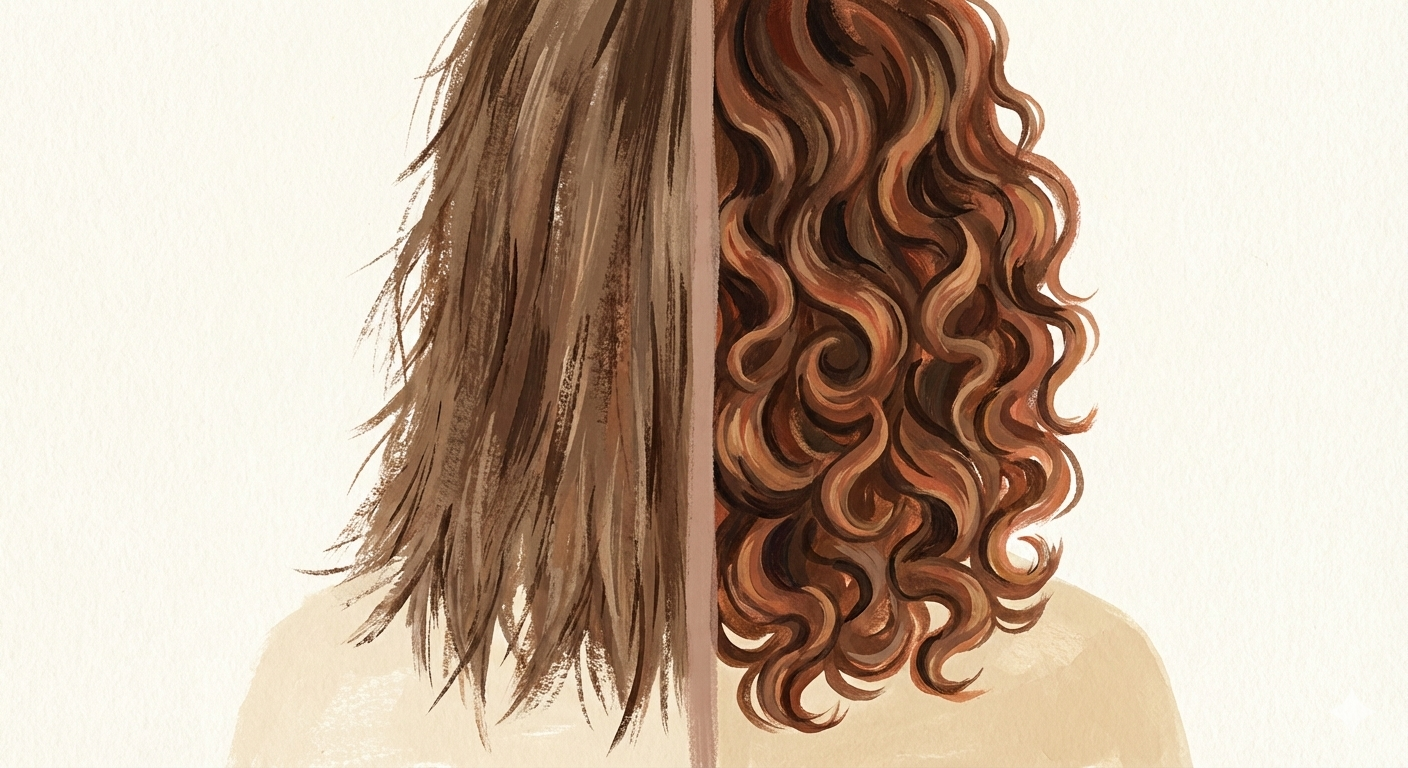
In the curly hair world, a wash day refers to the full cycle of cleansing, conditioning, styling, and drying your hair. When done correctly, wash day helps curls move from fluffy and undefined to hydrated, bouncy, and resilient.
Not sure which wash-day products are curl-friendly or available where you live? Use the KUURL Product Finder.
The core concept: moisture and protection
Curly hair is naturally drier than straight hair.
Because of the spiral shape of the hair shaft, natural scalp oils struggle to travel down to the ends. Traditional hair care often makes this worse by using harsh sulfates that strip oils and silicones that coat the hair and block moisture.
A Curly Girl–friendly wash day removes these habits and replaces them with gentle techniques that protect moisture and curl structure.
Step 1: The reset wash (starting fresh)
Before beginning a healthy routine, you need to remove old buildup.
Why this matters
Most conventional hair products contain silicones. These create a coating that prevents moisture from entering the hair. If you don’t remove them first, your curls won’t respond well to conditioning.
How to do it
- Use a clarifying shampoo that contains sulfates
- Make sure it contains no silicones
- Wash once to remove all buildup
After this reset wash:
- Set the sulfate shampoo aside
- Use it only occasionally (every few weeks or months) if buildup returns
Skipping this step can make your curls feel heavy or greasy later.
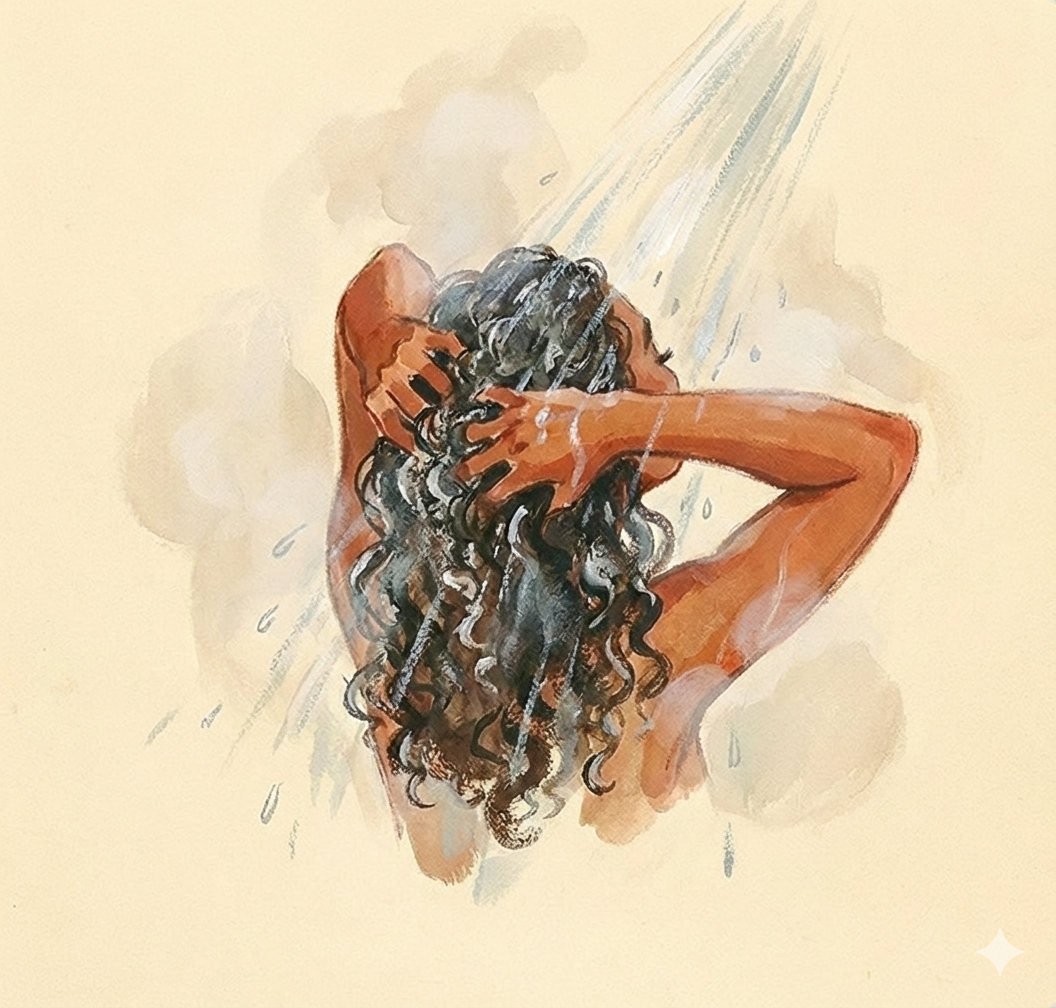
Step 2: Cleansing (co-wash or gentle shampoo)
On most wash days, many people replace traditional shampoo with co-washing.
What is co-washing?
Co-washing means cleansing the scalp with conditioner instead of shampoo. It relies on gentle cleansing agents and physical scrubbing rather than harsh detergents.
How to cleanse
- Apply a generous amount of conditioner to your scalp
- Massage gently with your fingertips (never your nails)
- Work from the hairline to the crown and down to the nape
- Rinse thoroughly while continuing to massage
If co-washing feels too heavy or leaves your scalp greasy, switch to a gentle, sulfate-free shampoo (low-poo) instead.
To quickly check which cleansers are curly-hair friendly and available in your country, browse them using the KUURL Product Finder.
Step 3: Condition and detangle
Conditioning is where your curls receive most of their moisture.
Why this step matters
Conditioner helps soften the hair, reduce friction, and make detangling possible without breakage.
How to condition
- Apply conditioner generously to the mid-lengths and ends
- Add water until your hair feels slippery, like slimy seaweed
Detangling
- Detangle only when your hair is wet and coated with conditioner
- Use your fingers or a wide-tooth comb
- Avoid brushing curly hair when it is dry
Rinsing
- Rinse out most of the conditioner
- Leave a small amount in if your hair needs extra moisture
Step 4: Style (creating a gel cast)
Styling should always happen while your hair is soaking wet.
Why wet styling works
Wet hair allows curls to clump together naturally. Gel creates a protective layer — known as a gel cast — that shields curls from frizz as they dry.
How to style
- Rub a generous amount of Curly Girl–friendly gel between wet hands
- Scrunch the gel into your hair from the ends upward
- Shape your curls now — this is how they will dry
- Do not touch your hair while it dries
If you’re unsure which stylers meet Curly Girl guidelines, start by browsing curl-friendly gels and creams in the KUURL Product Finder.
Step 5: Dry and finish (SOTC)
Drying correctly helps preserve the curl pattern you just created.
Why drying method matters
Traditional terry cloth towels rough up the hair cuticle and cause frizz. Gentler methods protect definition.
How to dry
- Plopping: Use a cotton t-shirt or microfiber towel to absorb excess water
- Diffusing: Use a diffuser on low heat and low airflow if needed
Important tips
- Do not touch your hair while it is drying — touching causes frizz
Once your hair is completely dry:
- Scrunch Out the Crunch (SOTC) by gently squeezing your hair
- This breaks the gel cast and reveals soft, defined curls
Actionable takeaways
If you want better wash days:
- Use a reset wash once before starting your routine
- Cleanse gently with co-wash or a sulfate-free shampoo
- Detangle only on wet, conditioned hair
- Style on soaking wet hair for better curl clumps
- Verify products before buying with the KUURL Product Finder
- Give your curls time — consistency matters more than perfection
Frequently asked questions
How often should I do a wash day?
As often as your scalp and lifestyle require. Some people wash daily, others weekly.
Do I have to use gel?
Gel is highly recommended for beginners because it provides strong hold and frizz control while curls adjust to a new routine.
Why does my hair feel greasy after co-washing?
You may not be scrubbing enough, or your hair may be fine or low porosity. Try a gentle, sulfate-free shampoo instead.
Can I still use heat tools?
Frequent heat use can permanently damage curl structure. If you use heat, keep temperatures low and clarify afterward if needed.
Final thoughts
Wash day doesn’t have to be complicated — it just needs to be intentional.
Some wash days will be better than others, and that’s normal. With gentle care, patience, and consistency, curls gradually regain moisture, elasticity, and definition.
Healthy curls are built one wash day at a time.
If you want to go deeper, read next:
The Curly Girl Method: A Complete Beginner’s Guide.