Curly Hair Products 101: A Guide to Ingredients, Cleansers, and Stylers
Confused by the hair care aisle? Learn how to choose the right curly hair products, which ingredients to avoid, and how to pick the best stylers for your curls.
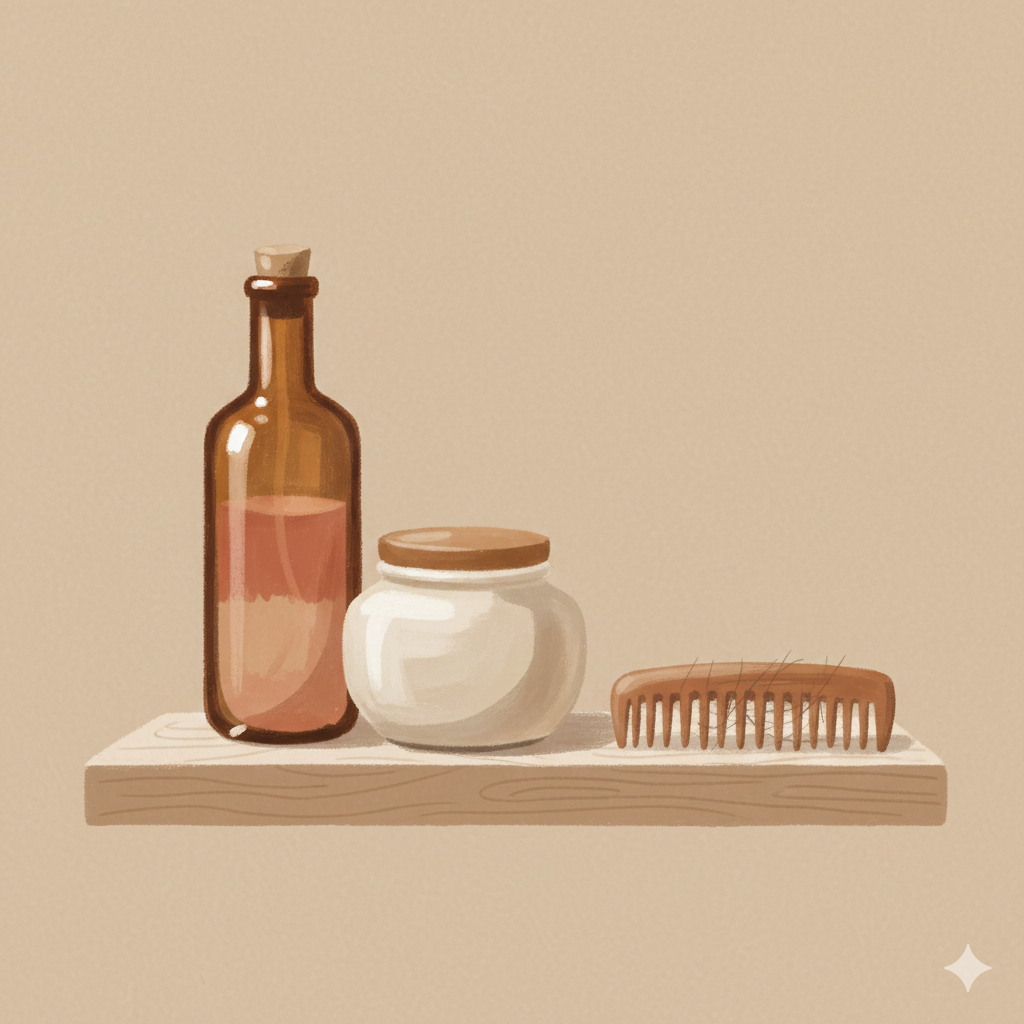
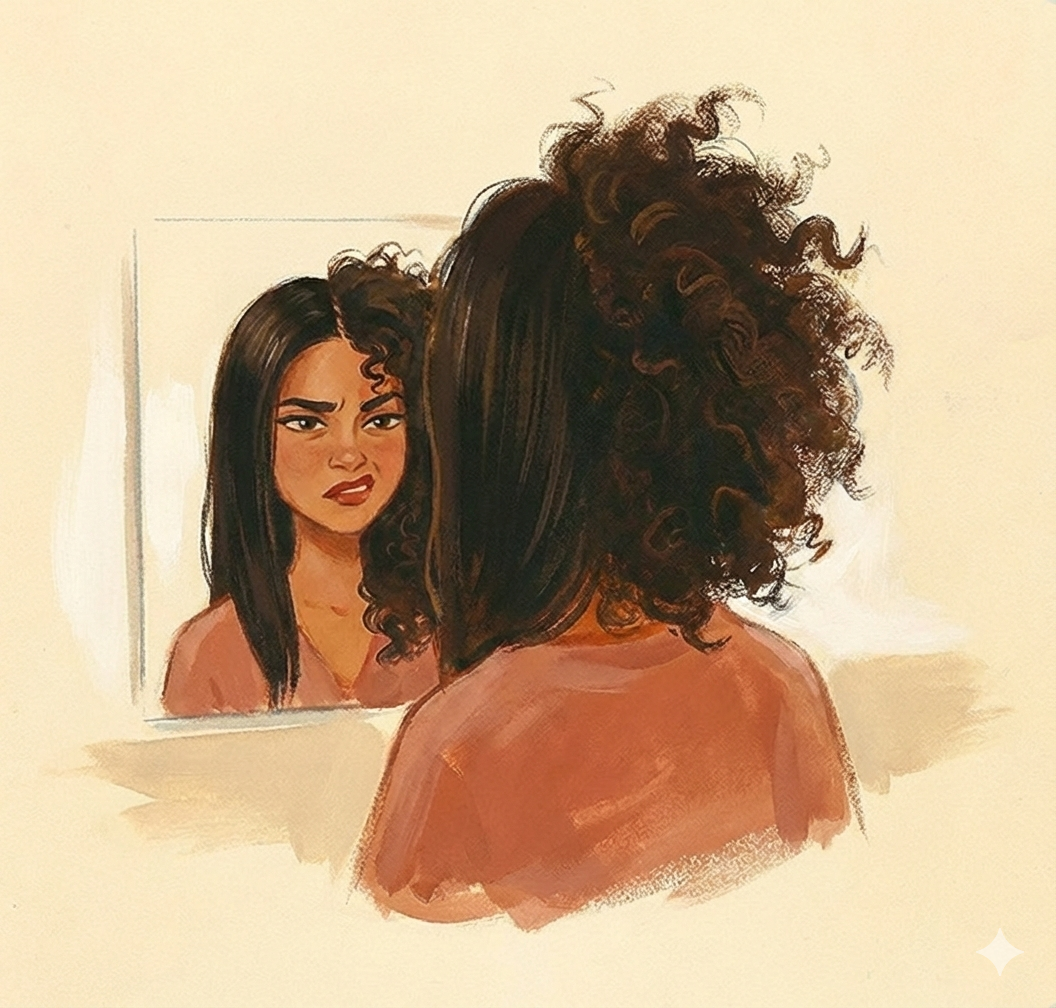
Walking down the hair care aisle can feel like trying to solve a puzzle with missing pieces. Bottles promise curl definition, hydration, or repair — yet after trying them, your hair may still end up frizzy, weighed down, or feeling like straw.
This usually isn’t because your curls are “difficult.”
It’s because many products are built around ingredients that don’t work well with the structure of curly hair.
This guide will help you:
- Decode ingredient labels
- Understand the different types of cleansers
- Choose stylers that support definition instead of fighting it
Want help checking which curly-hair-friendly products are available where you live? Use the KUURL Product Finder.
Ingredients to watch for
The first step in choosing better products is knowing what doesn’t work well for curls. Many conventional formulas rely on ingredients that offer short-term results but cause dryness or buildup over time.
What to avoid
-
Sulfates
Harsh detergents that strip the natural oils curls need to stay moisturized. -
Silicones
Create a plastic-like coating on the hair. They add shine, but often cause buildup that requires sulfates to remove. -
Drying alcohols
Ingredients like alcohol denat. or isopropyl alcohol can strip moisture from the hair. -
Non-soluble ingredients
Mineral oils and waxes that are difficult to wash out without harsh cleansers.
Reading labels takes practice. If you want a quicker way to browse options, you can use the KUURL Product Finder to see which products are curly-hair friendly and available in your country.
What to look for instead
When reading a label, focus on the top five ingredients — they make up most of the formula.
-
Lightweight ingredients
Better for fine hair or low-porosity hair
Examples include water, aloe vera, amino acids, marshmallow root, and glycerin (in moderate climates). -
Richer ingredients
Often better for coarse or high-porosity hair
Examples include shea butter and oils like avocado or coconut.
Your hair’s porosity and texture play a major role in deciding which category works best.
If you haven’t already, read:
Understanding Your Curly Hair: Porosity, Density, and Texture.
Understanding the cleansing spectrum
In curly hair care, cleansing isn’t just “shampoo.” It exists on a spectrum — from very gentle to deep-cleaning.
Co-wash (gentle)
Co-washing stands for conditioner-only washing. You use a silicone-free conditioner or a dedicated co-wash to cleanse the scalp using manual friction rather than harsh detergents.
- Best for dry, coarse, or very curly hair
- Helps retain moisture
- Requires thorough scalp scrubbing to avoid buildup
Low-poo (middle ground)
Low-poos are sulfate-free, low-lather shampoos.
- Offer more cleansing than a co-wash
- Gentler than traditional shampoos
- Often ideal for fine hair or oil-prone scalps
Clarifying and chelating (deep clean)
Sometimes curls need a reset.
-
Clarifying shampoos
Contain sulfates (but no silicones) to remove product buildup. -
Chelating shampoos
Remove mineral deposits caused by hard water.
These are used occasionally, not every wash day.
To explore which cleansers fit your needs and are available where you live, browse them in the KUURL Product Finder.
Choosing your stylers
Stylers are typically layered in a loose order: moisture first, then hold, then finishing.
Conditioning stylers (moisture)
These help hydrate and soften the hair.
-
Leave-in conditioners
Lightweight hydration for most curl types. -
Curl creams
More conditioning than leave-ins, with a small amount of hold.
Hold stylers (definition)
These prevent frizz as your hair dries.
-
Gel
The most recommended option for beginners. Provides strong hold, definition, and frizz control. -
Mousse / foam
Lightweight alternatives that add volume with less weight. -
Custards
“One-and-done” stylers that combine moisture and hold.
Finishing stylers (sealing)
- Oils and serums
Used sparingly to seal moisture and add shine.
Helpful for Scrunching Out The Crunch (SOTC) once hair is dry.
If you’re unsure where to start, begin by browsing curl-friendly stylers in the KUURL Product Finder.
Actionable takeaways
- Audit your current products using ingredient checkers like IsItCG or Curlsbot
- Match cleanser strength to your scalp and hair needs
- Start simple — a cleanser, conditioner, and gel is enough
- Watch the “seaweed stage” when conditioning (slippery = hydrated)
- Verify before buying with the KUURL Product Finder
Frequently asked questions
How do I know if a product is too heavy for me?
Check the top five ingredients. If oils and butters appear early, the product is likely heavy. Limp or greasy results are a sign to go lighter.
What is “Scrunch Out The Crunch”?
When gel dries, it forms a hard cast. Once hair is fully dry, gently scrunching breaks the cast and reveals soft, defined curls.
Do I have to stop using my favorite non-CG product?
No. The Curly Girl Method is a guideline, not a rulebook. If a product works for you, you can keep using it — just clarify occasionally if it contains silicones.
A note on experimentation
Finding the right product combination takes time. Your hair characteristics — like porosity, density, and strand thickness — will influence what works best.
Some days your curls will look amazing. Other days, not so much. That’s normal.
Be patient, observe how your hair responds, and adjust gradually. With the right knowledge, you can stop fighting your curls and start supporting them.
If you want to apply this knowledge next, read:
Wash Day for Curly Hair: A Step-by-Step Routine for Defined Curls.