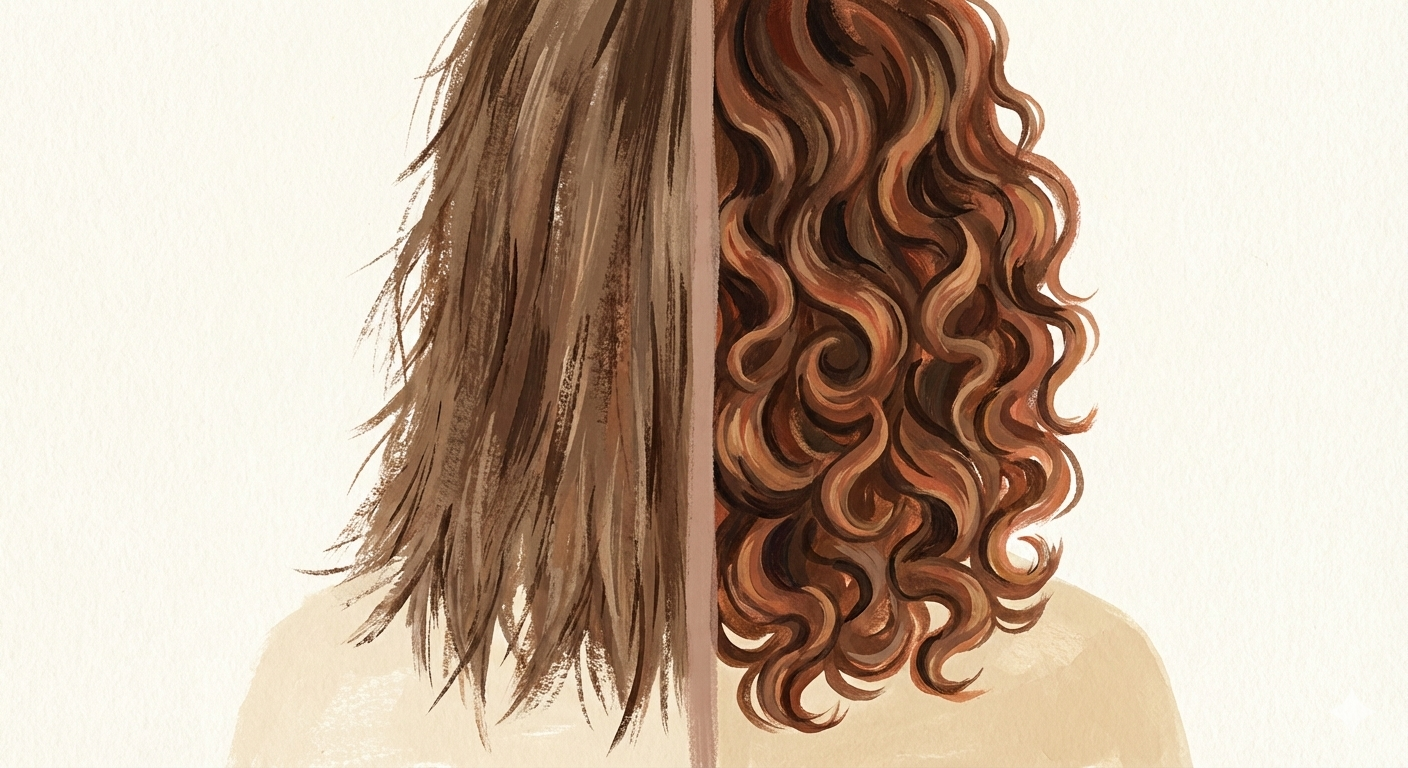
The Curly Girl Method: A Complete Beginner’s Guide to Healthy Curls
Start your curly hair journey today. Learn the basics of the Curly Girl Method, how to build a routine, and why moisture is the secret to frizz‑free curls.
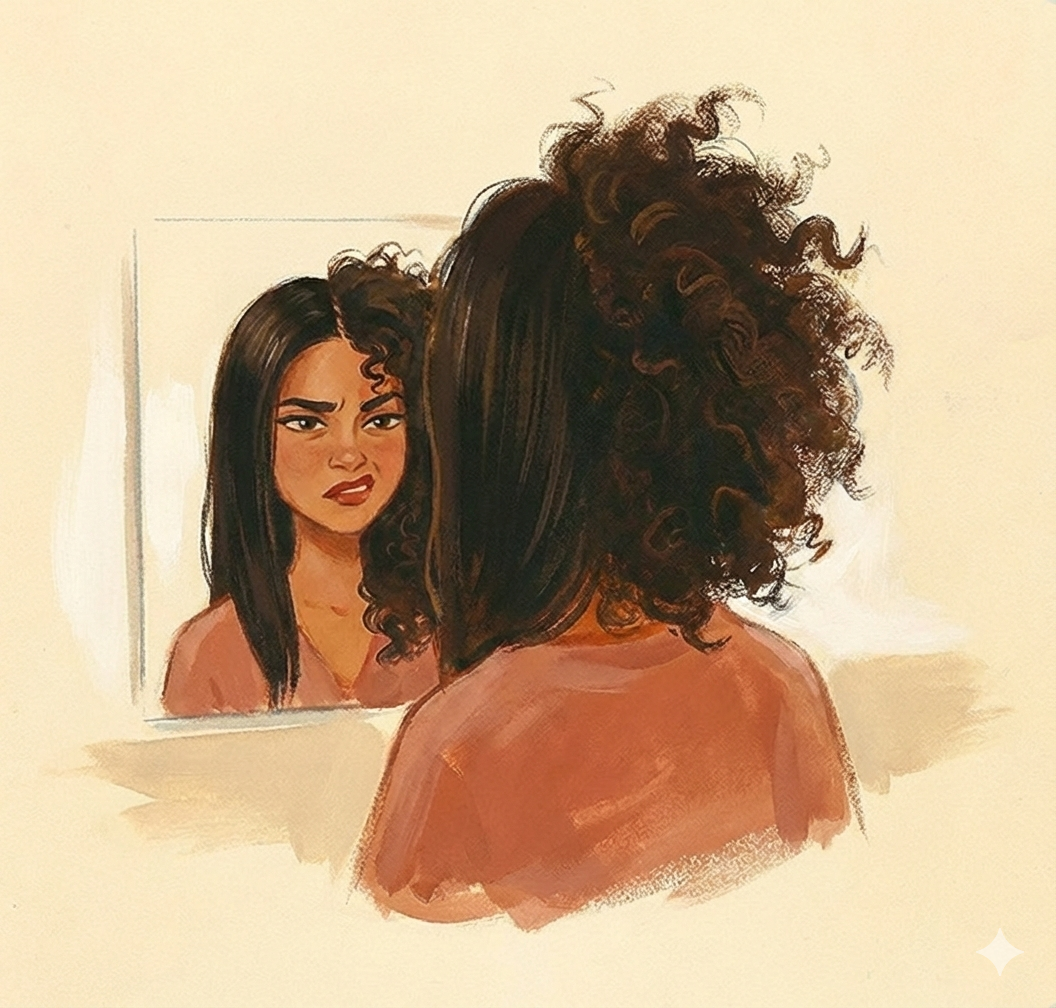
Many people struggle with hair that is constantly frizzy, fluffy, or turns into a giant poof ball the moment it rains. You might have tried every shampoo on the shelf, only to end up with hair that still feels dry, undefined, and unmanageable.
If this sounds familiar, there’s a good chance you actually have curly or wavy hair that’s being treated like straight hair. The Curly Girl Method (CG) was created to solve this exact problem by focusing on moisture, gentle cleansing, and curl‑friendly habits.
This guide will walk you through the Curly Girl Method step by step, so you can build a simple routine that helps your natural curls look healthier and more defined over time.
Want to skip guesswork and find curl‑friendly products available where you live? Try the KUURL Product Finder.
What is the Curly Girl Method?
The Curly Girl Method is a hair care approach focused on hydration, protection, and minimizing damage. It was popularized by Lorraine Massey to help curls thrive by removing harsh ingredients and habits that strip moisture from the hair.
Rather than forcing curls to behave like straight hair, the CG Method works with your natural texture.
It’s also important to know that CG is not a strict rulebook. Think of it as a framework. Many people follow a modified version that fits their lifestyle, climate, or product availability.
Why curls need special care
Curly hair often feels dry for a simple reason: shape.
Your scalp produces natural oils (sebum) to lubricate the hair shaft, but the bends and spirals in curly hair make it difficult for those oils to travel from the roots to the ends. As a result, curls lose moisture more easily.
Traditional shampoos often make this worse by using harsh detergents that strip away the little moisture curls have, leading to frizz and breakage.
Ingredients and tools to avoid
A core part of the Curly Girl Method is removing common sources of dryness and buildup. This usually means avoiding:
- Sulfates: harsh cleansers that strip natural oils
- Silicones: ingredients that coat the hair and often require sulfates to remove
- Drying alcohols: ingredients that pull moisture from the hair
- Non‑soluble ingredients: mineral oils or waxes that can build up
- Heat styling: flat irons and curling irons can cause permanent damage
- Dry brushing: disrupts curl formation and causes frizz
- Terry cloth towels: too rough for delicate curl patterns
Reading ingredient labels takes practice when you’re just starting out. If you want a faster way to browse options, use the KUURL Product Finder to see what’s available in your country.
The beginner routine (step‑by‑step)
This beginner routine is designed to be simple, affordable, and realistic. You don’t need a shelf full of products to get started.
Step 1: The “final wash” (reset)
Before starting CG, wash your hair one last time with a clarifying shampoo that contains sulfates but no silicones. This removes old buildup and gives you a clean slate.
After this wash:
- Set the sulfate shampoo aside
- Use it only occasionally (every few weeks or months) for deep cleaning
Skipping this step can make your curls feel heavy or greasy later.
Step 2: Cleanse (co‑wash or gentle shampoo)
Many beginners start with co‑washing, which means cleansing the scalp with conditioner instead of shampoo.
How to do it
- Apply conditioner to your scalp
- Massage gently with your fingertips (no nails)
- Rinse thoroughly while continuing to massage
Why it works
The physical scrubbing action removes dirt and oils without stripping moisture the way traditional shampoos can.
If co‑washing feels too heavy for your scalp, choose a gentle, sulfate‑free shampoo instead.
Step 3: Condition + detangle
After cleansing your scalp, hydrate the lengths of your hair.
- Apply a generous amount of conditioner to the mid‑lengths and ends
- Your hair should feel slippery, like slimy seaweed
Detangling
- Detangle while your hair is wet and coated in conditioner
- Use your fingers or a wide‑tooth comb
- Avoid brushing your hair dry moving forward
Rinsing
- Rinse out most of the conditioner
- Leave a small amount in if you need extra moisture
Step 4: Style (gel cast = good)
While your hair is still soaking wet, apply a Curly Girl–friendly gel.
- Rub the gel between wet hands
- Scrunch it into your hair from the ends upward
The gel can create a hard, crunchy layer as it dries. This is called a gel cast and it helps curls set in place.
If you’re unsure what to use, start by browsing curl‑friendly stylers in the KUURL Product Finder.
Step 5: Dry + finish (SOTC)
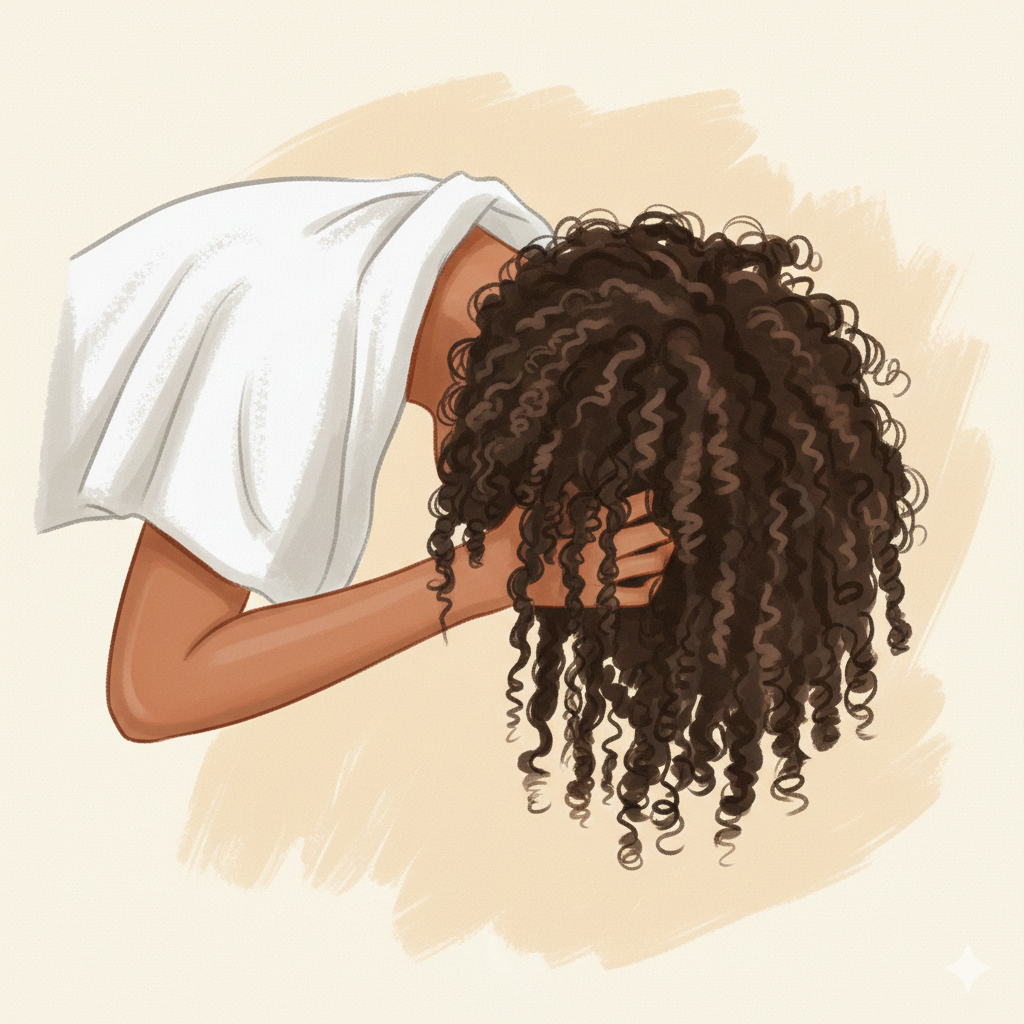
Remove excess water gently using a microfiber towel or cotton t‑shirt. Avoid rubbing.
You can:
- Air‑dry, or
- Diffuse on low heat and low airflow
Important tips
- Don’t touch your hair while it’s drying (touching causes frizz)
Once your hair is completely dry:
- Scrunch Out the Crunch (SOTC) by gently squeezing your hair
- This breaks the gel cast and reveals soft, defined curls
Understanding your hair characteristics
Once you’re comfortable with the basics, understanding your hair characteristics makes product selection much easier:
- Porosity: how well your hair absorbs and retains moisture
- Density: how many hairs grow on your scalp
- Texture: the thickness of each strand (fine, medium, coarse)
These factors usually matter more than curl pattern when choosing products and routines.
Actionable takeaways
If you’re ready to start:
- Do a final wash with a sulfate shampoo (no silicones)
- Keep it simple: conditioner + gel is enough at first
- Check ingredients using tools like IsItCG or Curlsbot
- Verify before buying with the KUURL Product Finder
- Commit to at least 30 days before making major changes
- Be patient: curls take time to adjust
Frequently asked questions
How often should I wash my hair?
Some people wash daily, others once a week. It depends on your lifestyle, scalp needs, and hair type.
What is my curl type?
Curl types (2A, 3B, etc.) are often less important than porosity and texture. Your curl pattern may also change as your hair becomes healthier.
Can I still use heat?
Occasional heat use is possible, but frequent heat can damage curls. Heat protectants often contain silicones, which may require clarifying afterward.
Why does my hair feel crunchy after using gel?
That’s a gel cast. Once your hair is fully dry, scrunching removes the crunch while keeping definition.
A note on your journey
Embracing your natural texture takes experimentation and patience. No two heads of curls are the same, and progress isn’t always linear.
Some wash days will be better than others — that’s normal. With gentle care, consistency, and time, your curls can become healthier, softer, and easier to manage.
If you want to go deeper on shopping and ingredients, read: How to Choose the Right Products for Your Curly Hair.